Landlord Guides
Renting Out Your Property in Dagenham? A Practical Guide for Landlords
Planning to rent out your property in Dagenham? Learn how to prepare your home, meet landlord responsibilities, find tenants and manage your rental effectively.
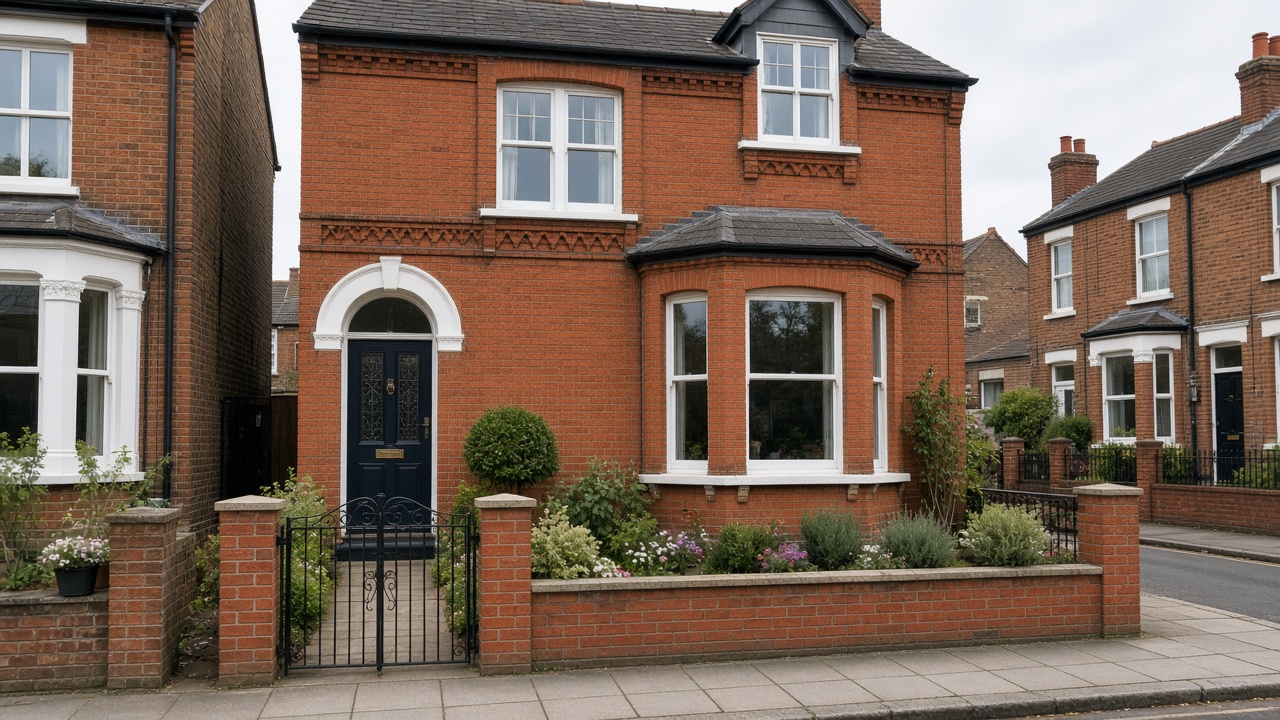
Renting out a property in Dagenham can be a worthwhile investment, whether you're an experienced landlord or letting your home for the first time. However, successful property letting involves much more than finding a tenant and collecting rent.
From preparing the property and understanding legal responsibilities to handling maintenance and tenant communication, there are several things landlords need to get right.
Good preparation can help reduce avoidable costs, attract suitable tenants and create a more manageable rental experience.
If you're thinking about letting a property in Dagenham, Barking or the surrounding areas, this guide covers the essential steps to consider before handing over the keys. You can also see how Safin Properties can help on the lettings page.
1. Understand Your Property's Rental Potential
Before advertising your property, it's important to establish a realistic rental price.
Setting the rent too high may discourage suitable applicants and leave the property empty longer than necessary. Setting it too low could mean missing out on potential rental income.
Several factors influence the amount a property may achieve, including:
- Location and proximity to public transport.
- Number and size of bedrooms.
- Overall property condition.
- Energy efficiency.
- Furnishing and storage.
- Outdoor space and parking availability.
For example, a well-maintained property within convenient walking distance of Dagenham Heathway station may appeal to a different group of tenants than a similar property farther from transport links.
When comparing rental listings, look at properties with similar characteristics rather than relying on an average figure for the entire borough.
Advertised rents are useful indicators, but they do not necessarily represent the amounts tenants ultimately agree to pay.
Practical tip: Review several comparable properties and assess what makes yours more or less attractive before deciding on an asking rent.
2. Prepare Your Property Before Advertising
First impressions matter when prospective tenants view a property.
A home does not need expensive renovations to be appealing. Often, relatively small improvements make the biggest difference.
Start by checking that the property is clean, comfortable and in good working order.
Pay particular attention to:
Decoration: Neutral colours, clean walls and tidy flooring can make rooms feel brighter and easier to maintain.
Kitchen and bathroom: Check that taps, toilets, showers, cupboards and appliances work properly.
Heating: Make sure the heating and hot water systems operate reliably.
Lighting: Replace faulty bulbs and repair any defective fittings using an appropriate professional.
Doors and windows: Check locks, handles, seals and ventilation.
Outdoor areas: Tidy gardens, entrances and shared spaces where applicable.
Address any known leaks, damp or safety issues before tenants move in.
Taking care of these matters early can reduce disputes and emergency repair requests later.

3. Understand Your Legal Responsibilities
Landlords in England have legal duties designed to protect tenants and ensure rented properties are safe.
Before letting a property, you should check the requirements that apply to your specific home and tenancy.
Important areas include:
Gas and Electrical Safety
Where relevant, gas appliances and flues must receive annual safety checks by a Gas Safe registered engineer.
Electrical installations must generally be inspected and tested by a qualified person at least every five years, or sooner where required.
Fire and Carbon Monoxide Safety
Private rented homes in England must have smoke alarms on each storey containing living accommodation.
Carbon monoxide alarms are also required in rooms used as living accommodation that contain a fixed combustion appliance, excluding gas cookers.
Additional precautions may be necessary for shared houses and HMOs.
Energy Performance
Most properties being marketed for rent require a valid Energy Performance Certificate (EPC).
Applicable minimum energy-efficiency standards must also be met unless a valid exemption applies.
Property Licensing
Depending on your property's location and occupancy, you may need a licence from the local council.
Barking and Dagenham has property licensing requirements covering different types of rented accommodation, including certain single-household homes and shared properties.
Tenancy Documentation and Deposits
Landlords must follow the applicable tenancy rules and provide legally required information.
For relevant tenancies, deposits must be protected through a government-approved scheme within 30 days of receipt, with prescribed information supplied to tenants.
Landlords in England must also carry out appropriate Right to Rent checks.
For current requirements, consult the government's landlord responsibilities guidance.
4. Choose Tenants Carefully
Finding suitable tenants is one of the most important parts of managing a rental property.
A good tenant selection process should be fair, consistent and based on relevant information.
This might include checking affordability, employment or income evidence, previous landlord references and other appropriate information.
Right to Rent checks must be carried out in accordance with the law, without discrimination.
Take time to explain the tenancy terms, payment arrangements and responsibilities before the tenancy begins.
A rushed decision can create problems that are much harder to resolve later.
Practical tip: Use a consistent referencing process for every applicant and keep appropriate records of your decisions.
5. Protect Yourself With Proper Documentation
Clear records help prevent misunderstandings between landlords and tenants.
Before a tenant moves in, prepare a detailed inventory and schedule of condition.
Include photographs showing the property's condition, fixtures, fittings and any furniture provided.
You should also maintain organised records of:
- Tenancy documents and required notices.
- Safety certificates and inspection reports.
- Deposit protection information.
- Rental payments and expenses.
- Repairs and maintenance.
- Important tenant communications.
Keeping everything together makes it easier to respond to enquiries and manage the property responsibly.
6. Plan for Ongoing Property Management
Your responsibilities continue after the tenant moves in.
There will be maintenance enquiries, occasional repairs, administrative tasks and sometimes unexpected problems.
A simple management routine should include monitoring rental payments, keeping safety records organised, responding to repair requests and arranging appropriate property inspections.
Inspections should respect tenants' rights, including the applicable notice and access requirements.
Regular communication also matters.
When tenants know how to report problems and feel confident that genuine concerns will be addressed, issues are more likely to be identified before they become serious.
7. Consider Whether Professional Management Is Right for You
Some landlords enjoy managing their properties personally. Others prefer to delegate some or all of the day-to-day responsibilities.
Professional property management can be particularly useful if you:
- Own several rental properties.
- Live far from your investment property.
- Have limited time to deal with tenant enquiries.
- Find maintenance coordination difficult.
- Want assistance keeping property administration organised.
Before appointing an agent, make sure you understand which services are included, how fees are calculated and who remains responsible for particular tasks.
A managing agent can provide valuable support, but appointing one does not automatically remove all of a landlord's legal responsibilities.
Final Thoughts
Renting out property in Dagenham requires planning, attention to detail and an understanding of your obligations.
By preparing your home properly, choosing tenants carefully and maintaining the property throughout the tenancy, you can create a more positive experience for everyone involved.
The objective is not simply to secure a tenant. It's to establish a rental arrangement that works well over time.
Looking for Property Management Support in East London?
Whether you're preparing to let your first property or reviewing how an existing rental is managed, Safin Properties UK would be pleased to discuss your requirements.
Contact Safin Properties to enquire about property management.
Official reference: GOV.UK: Renting out your property. The tenancy reforms introduced in May 2026 are explained in the Renters' Rights Act landlord guidance.